#408 Low ALP, Fractures, and Early Tooth Loss Point to Hypophosphatasia
Hypophosphatasia (HPP) can present very differently from one person to the next, from life-threatening complications in infancy to fractures, chronic pain, muscle weakness, or early tooth loss later in life. With symptoms spanning multiple body systems and varying across the lifespan, how can clinicians recognize when these seemingly disconnected findings may point to HPP?
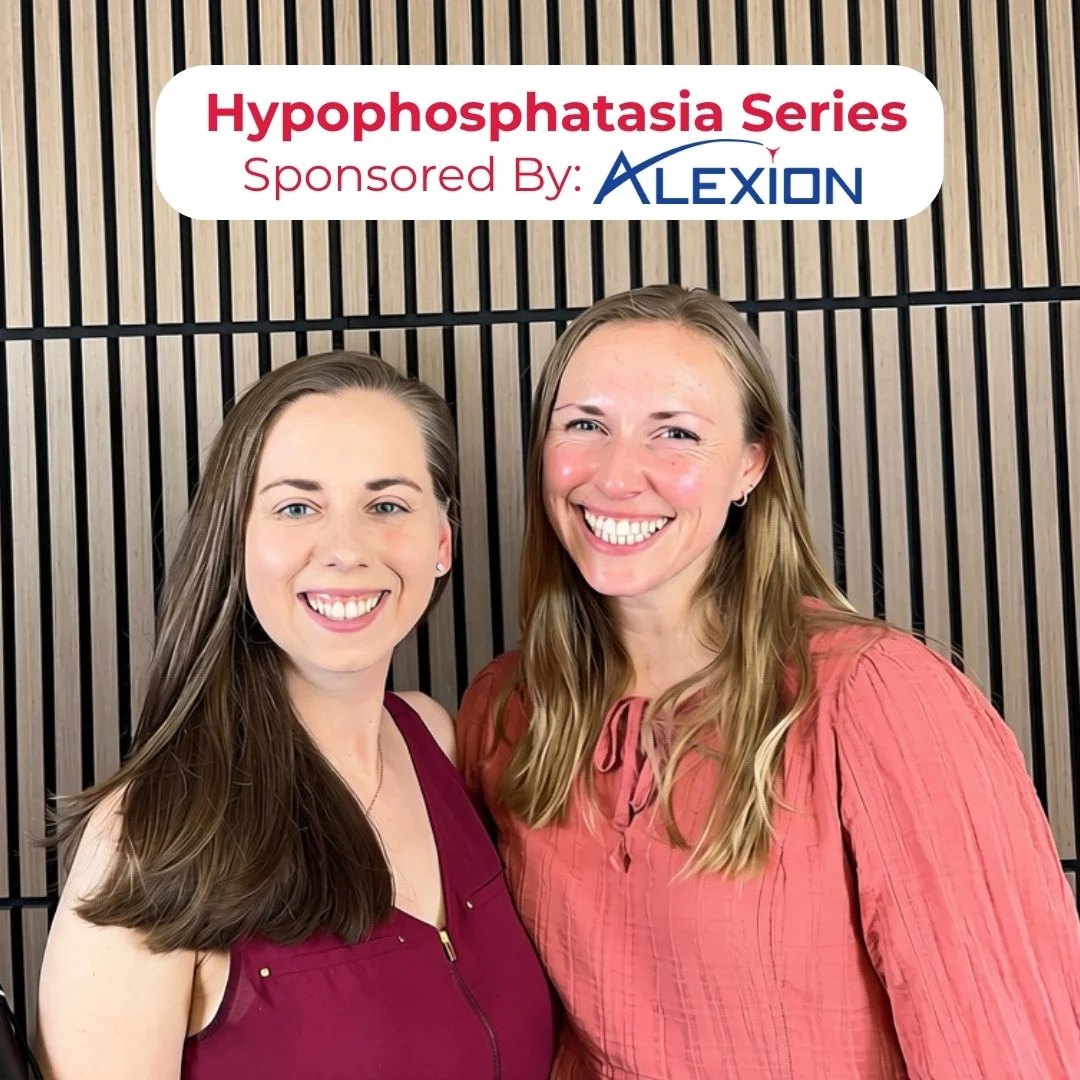
In the first episode of our three-part series on hypophosphatasia, we are joined by genetic counselor Amy Patterson to explore the clinical spectrum and diagnosis of HPP. Amy explains what happens biologically in HPP, why traditional age-based classifications do not always capture its variability, and how the condition may present from the prenatal period through adulthood.
We also discuss the importance of persistently low alkaline phosphatase (ALP), including why results must be interpreted using age- and sex-appropriate reference ranges. Amy reviews the additional laboratory findings, medical and dental histories, imaging, physical examination, and molecular testing that may contribute to a diagnosis. She also highlights common misdiagnoses and the clinical clues that should prompt healthcare providers to consider HPP.
Episode Discussion Topics
What hypophosphatasia is and how impaired mineralization affects the body
The perinatal, infantile, childhood, adult, and odonto forms of HPP
Prenatal and infantile presentations of severe HPP
Clinical and dental signs in children
Fractures, chronic pain, fatigue, weakness, and dental concerns in adults
How manifestations may change throughout a person’s lifetime
Variability among relatives with the same familial ALPL variants
Common diagnostic delays and misdiagnoses
Distinguishing HPP from other causes of rickets and skeletal abnormalities
Differentiating HPP from osteoporosis, osteopenia, osteoarthritis, and fibromyalgia
The importance of persistently low ALP and appropriate reference ranges
Alternative explanations for a low ALP result
The HPP International Working Group
The roles of laboratory testing, radiographs, dental records, and medical history
When molecular testing of the ALPL gene may be appropriate
Whether HPP can be diagnosed without an identified pathogenic or likely pathogenic ALPL variant
About the Guest
Amy Patterson, MS, CGC, is a licensed, board-certified genetic counselor in the Department of Genetic Medicine at Johns Hopkins. She works with pediatric and adult patients in the general genetics clinic and the Greenberg Center for Skeletal Dysplasias, including individuals and families affected by hypophosphatasia.
About the HPP Series
This episode is the first in a three-part educational series about hypophosphatasia. Stay tuned for the next installment . Across the series, we explore the clinical spectrum and diagnosis of HPP, its genetic basis and variable expression, and considerations for genetic counseling and management.
This series is sponsored by Alexion. The views expressed by the host and guests are their own.
Resources
Dahir KM, Nunes ME. Hypophosphatasia. GeneReviews®. Updated March 27, 2025. This comprehensive clinical overview covers the presentation, diagnosis, genetics, management, and genetic counseling considerations for HPP.
Beck NM, Sagaser KG, Lawson CS, et al. Not just a carrier: Clinical presentation and management of patients with heterozygous disease-causing alkaline phosphatase (ALPL) variants identified through expanded carrier screening. Molecular Genetics & Genomic Medicine. 2023;11(1):e2056.
Khan AA, Brandi ML, Rush ET, et al. Hypophosphatasia diagnosis: Current state of the art and proposed diagnostic criteria for children and adults. Osteoporosis International. 2024;35(3):431–438.
Rush E, Brandi ML, Khan A, et al. Proposed diagnostic criteria for the diagnosis of hypophosphatasia in children and adolescents: Results from the HPP International Working Group. Osteoporosis International. 2024;35(1):1–10.
Brandi ML, Khan AA, Rush ET, et al. The challenge of hypophosphatasia diagnosis in adults: Results from the HPP International Working Group Literature Surveillance. Osteoporosis International. 2024;35(3):439–449.
Soft Bones: The U.S. Hypophosphatasia Foundation provides education, support, advocacy, and community resources for individuals and families affected by HPP.
Explore Soft Bones’ HPP resources, including educational materials for patients, caregivers, and healthcare professionals.
Relevant DNA Today Episodes
#192 Osteogenesis Imperfecta with The Middle’s Atticus Shaffer: Actor Atticus Shaffer discusses living with osteogenesis imperfecta, his diagnostic and treatment experiences, and what he wants healthcare providers to understand about the condition.
#301 Dwarfism with Colleen Gioffreda: Colleen Gioffreda shares her personal and professional perspectives on achondroplasia, skeletal dysplasias, parenting, adoption, accessibility, and advocacy.
#348 NIPT Beyond the Basics: Screening for Single-Gene Conditions: Dr. Fred Ushakov explains how single-gene NIPT and prenatal imaging may identify conditions including achondroplasia, osteogenesis imperfecta, and other skeletal dysplasias.
#359 Breaking Down Achondroplasia: A Pediatrician in Clinical Genetics Explains: In the first episode of our BioMarin-sponsored achondroplasia series, Dr. Janet Legare explores the genetics, clinical presentation, diagnosis, and multidisciplinary care of achondroplasia.
#386 Achondroplasia Beyond Height: Managing Lifelong Medical Needs: In the second episode of the BioMarin-sponsored series, Dr. Ricki Carroll discusses lifelong monitoring, medical complications, care coordination, and quality of life.
#401 The First Precision Medicine for Achondroplasia with Dr. Ravi Savarirayan: The final episode of the BioMarin-sponsored series examines vosoritide, international treatment guidelines, and the evolution of precision medicine for achondroplasia.
#390 Prince, Mayte Garcia, and Their Son Amiir’s Pfeiffer Syndrome Type 2 Story: Mayte Garcia reflects on her and Prince’s experience with their son Amiir’s severe skeletal and craniofacial condition, Pfeiffer syndrome type 2.
#394 How Newborn Sequencing Could Transform Pediatric Rare Disease Care in Florida: Dr. Pradeep Bhide and Florida State Representative Adam Anderson explore how the Sunshine Genetics Act could reshape newborn sequencing, rare disease diagnosis, and pediatric genomic medicine.
Connect with DNA Today
You never have to wait long for a new episode of DNA Today, we release episodes every Friday! In the meantime, explore our library of over 400 episodes on Apple Podcasts, Spotify, DNAToday.com, or wherever you listen to podcasts. Just search “DNA Today.”
Prefer to watch? The video version of this episode is available on our YouTube channel and DNAToday.com. Select episodes are filmed in person, including some at the iconic NBCUniversal studios.
Discover more podcasts exploring genetics, genomics, medicine, and science from our network, Gene Pool Media: The Science Podcast Network.
DNA Today is hosted and executive produced by Kira Dineen, MS, LCGC, CG(ASCP)CM. Liv Davidson is our Social Media Lead and Eric Knaus is our Digital Marketing and Automation Lead.
Follow us at @DNATodayPodcast on all platforms including Instagram, X, BluSky, Threads, LinkedIn, Facebook, YouTube and our website, DNAToday.com.
Questions, partnership inquiries, and guest pitches can be sent to info@DNAToday.com.