#394 How Newborn Sequencing Could Transform Pediatric Rare Disease Care in Florida
Newborn sequencing is no longer just a future-facing idea discussed in genetics circles. It is beginning to take shape through real pilot programs, state policy, and health system efforts exploring how genomics could fit into routine newborn care.
Pradeep Bhide, director of the Florida Institute for Pediatric Rare Diseases. (Bill Lax/FSU Marketing)
In this episode of DNA Today, we take a closer look at one example of that momentum: Florida’s Sunshine Genetics Act. The legislation created a five-year, voluntary newborn genetic sequencing pilot program and established the Sunshine Genetics Consortium. The program allows parents to opt in to newborn genetic screening, including whole genome sequencing. The state allocated millions for the Sunshine Genetics Pilot Program, along with additional funding for the Florida Institute for Pediatric Rare Diseases.
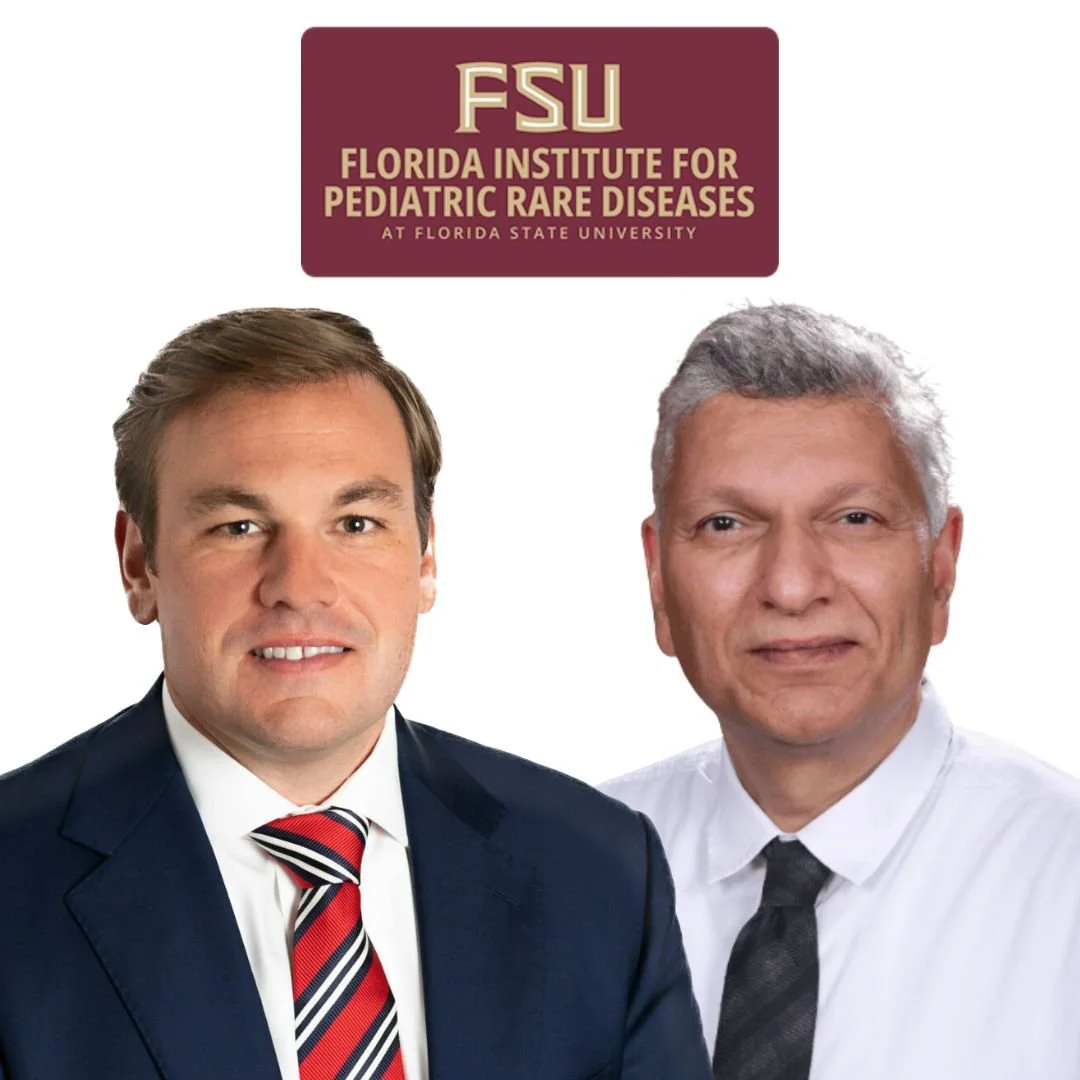
To unpack what this could mean for rare disease diagnosis, pediatric genomic medicine, and the future of newborn screening, our host Kira Dineen is joined by Dr. Pradeep Bhide, Director of the Florida Institute for Pediatric Rare Diseases, and State Representative Adam Anderson, who championed the legislation after losing his son Andrew to Tay-Sachs disease at age 4.
About Our Guests
Dr. Pradeep G. Bhide is the Jim and Betty Ann Rodgers Eminent Scholar Chair of Developmental Neuroscience, Director of the Florida Institute for Pediatric Rare Diseases, and Director of the Center for Brain Repair at the Florida State University College of Medicine. His work focuses on developmental neuroscience, pediatric rare disease research, precision diagnostics, and advancing treatments for children and families affected by rare genetic conditions.
Representative Adam Anderson represents District 57 in the Florida House of Representatives. He sponsored and championed the Sunshine Genetics Act, drawing from his family’s personal experience with rare disease after the loss of his son Andrew to Tay-Sachs disease. Through this legislation, Representative Anderson has helped position Florida as one of the first states to explore how genomic sequencing could be integrated into newborn screening and pediatric rare disease care.
Episode Discussion Topics
How Representative Anderson’s son Andrew inspired his advocacy for newborn sequencing and rare disease legislation
What the Sunshine Genetics Act makes possible for families in Florida
How newborn genome sequencing could shorten or prevent the rare disease diagnostic odyssey
The role of the Sunshine Genetics Consortium in coordinating researchers, clinicians, geneticists, children’s hospitals, and biotech innovators across the state
Why early genomic diagnosis can influence medical management, specialist referrals, surveillance, treatment planning, and access to clinical trials
How Florida’s approach fits into the broader global movement toward newborn sequencing, alongside programs such as Genomics England’s Generation Study, GUARDIAN in New York, BeginNGS at Rady Children’s, and NIH-funded BEACONS
What “whole genome sequencing” means in the context of this pilot, and how programs may distinguish between sequencing the whole genome and analyzing a targeted set of genes
How families may be educated about voluntary participation and informed consent
What types of results may be returned to parents and healthcare practitioners
How programs are thinking about childhood-onset, treatable, preventable, and potentially adult-onset findings
The connection between earlier diagnosis and emerging gene-based therapies
What it takes to move complex genomic medicine legislation forward
How Florida is building infrastructure for pediatric genomic medicine
Which outcomes will matter most as the five-year pilot unfolds, including enrollment, sequencing metrics, clinical impact, public health impact, cost effectiveness, and economic benefits, which are included in the reporting requirements for the program.
Why This Conversation Matters
For many families affected by rare disease, the search for a diagnosis can take years. Those years can include specialist visits, inconclusive testing, missed opportunities for early intervention, and emotional strain. Newborn sequencing raises the possibility of identifying certain serious genetic conditions before symptoms appear, allowing families and clinicians to act sooner.
At the same time, implementing newborn sequencing brings important questions: What conditions should be included? What results should be returned? How should parents be consented? How will privacy and data use be handled? What infrastructure is needed to support follow-up care? And how can programs ensure equitable access?
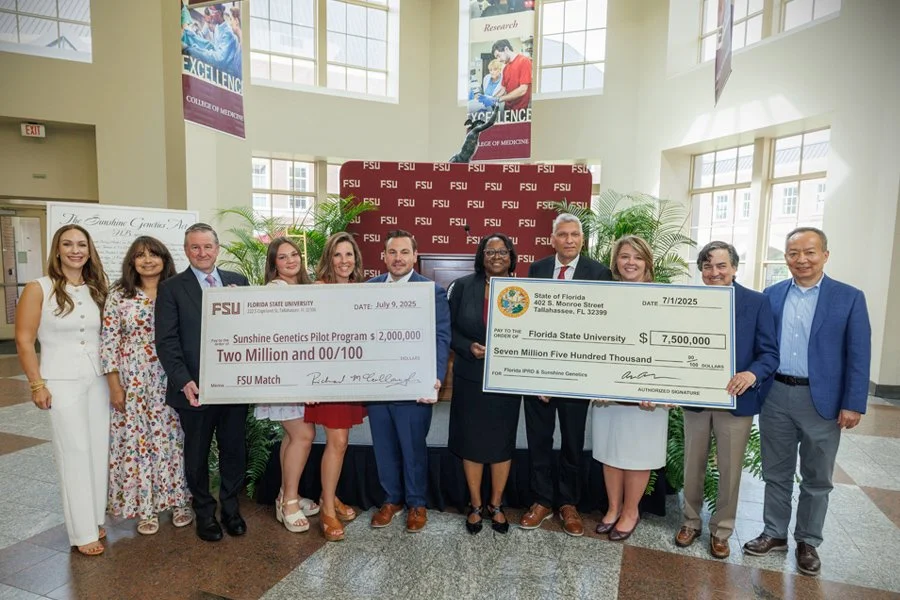
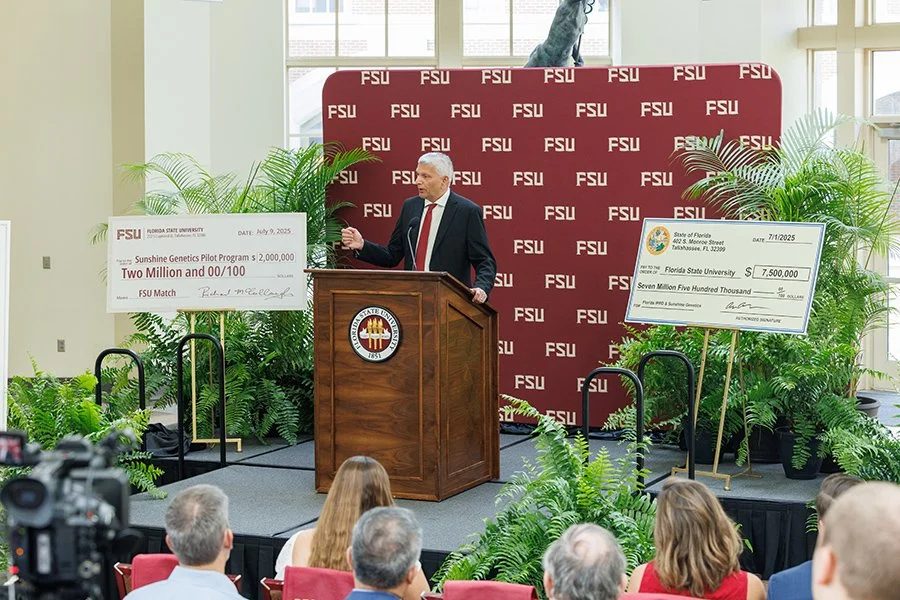
A ceremony at the FSU College of Medicine celebrating the signing of HB 907, the Sunshine Genetics Act. Rep. Anderson presented a check for $7.5 million from the State of Florida to support the Sunshine Genetics Pilot Program and the Florida Institute for Pediatric Rare Diseases at Florida State University. (Bill Lax/FSU Marketing)
Relevant Resources:
Relevant DNA Today Podcast Episode:
#172 PhenoTips: Advances in Rare Disease Diagnosis with Dr. Stephen Kingsmore
#281 Tay-Sachs with Dr. Matthew Goldstein of JScreen
#385 Inside ACMG 2026: How AI and New Tools Enhance Genome Sequencing and Equity
Connect With Us:
Luckily you don’t have to wait long for a brand-new episode of DNA Today, we drop episodes every Friday! Until then, why not dive into our library of over 390 episodes? Binge them all on Apple Podcasts, Spotify, our website, or wherever you love to listen, just search “DNA Today.”
Prefer watching? We’ve got you covered! For the past four years, we’ve been recording episodes with video, including some filmed at the iconic NBC Universal Stamford Studios. Check them out on our YouTube channel!
DNA Today is hosted and produced by Kira Dineen, MS, LCGC, CG(ASCP)CM . Our Social Media Lead Liv Davidson. And our logo Graphic Designer is Ashlyn Enokian, MS, CGC.
See what else we are up to on Instagram, X (Twitter), BluSky, Threads, LinkedIn, Facebook, YouTube and our website, DNAToday.com. Questions/inquiries can be sent to info@DNAtoday.com.