#418 Hypophosphatasia Genetics: One Gene, Many Presentations
How can variants in the same gene cause life-threatening disease in infancy for some individuals, while others experience mild symptoms or remain asymptomatic? Hypophosphatasia (HPP) challenges traditional expectations about genetic inheritance, with both autosomal dominant and autosomal recessive forms and a remarkably broad spectrum of clinical presentations.
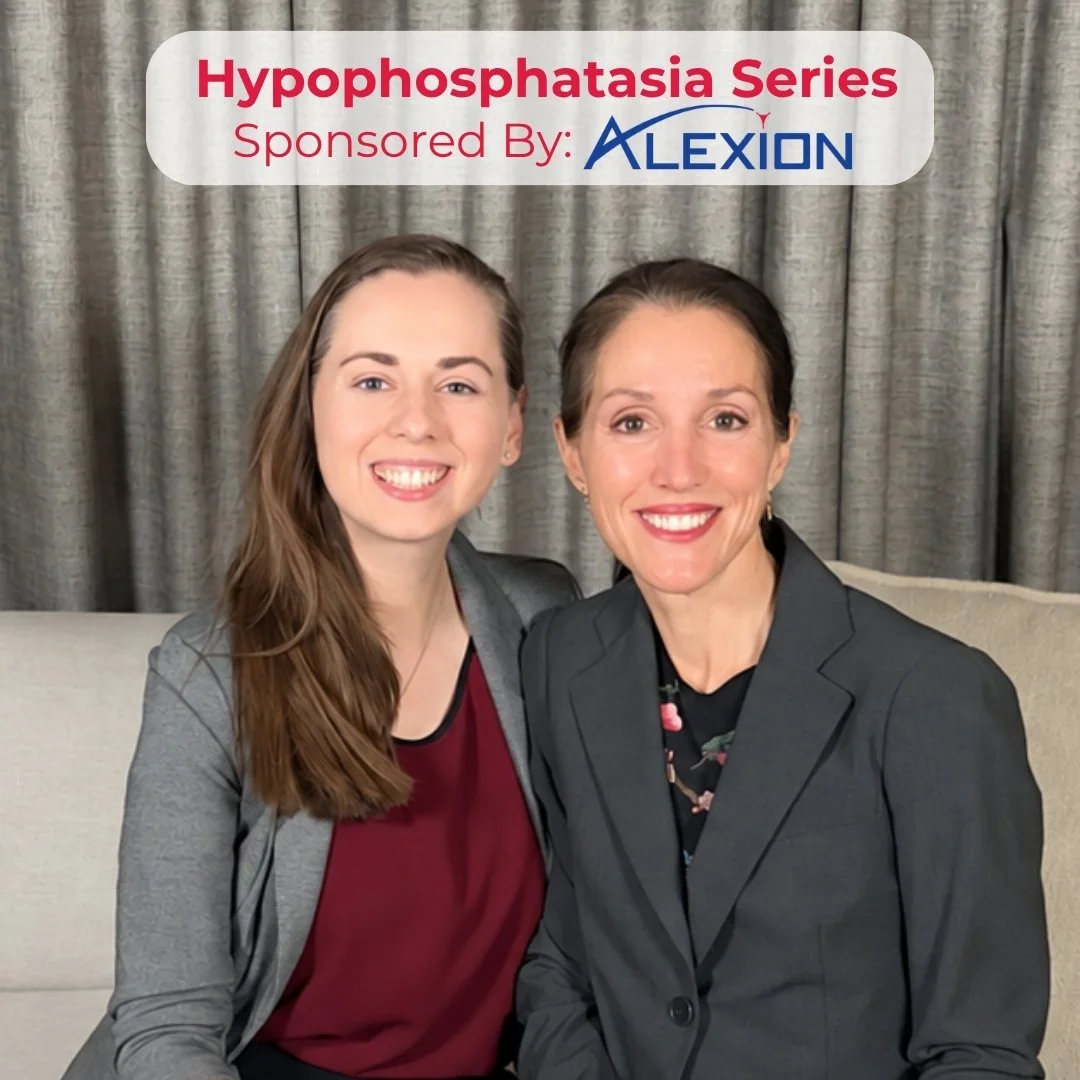
In this episode, recorded in person in Nashville, our guest is Dr. Kathryn Dahir, Professor of Medicine in the Division of Diabetes, Endocrinology, and Metabolism at Vanderbilt University Medical Center and Director of the Program for Metabolic Bone Disorders. Drawing on decades of experience caring for patients with rare skeletal conditions, Dr. Dahir explores the complex genetics of HPP and why understanding a patient's clinical presentation is just as important as interpreting their genetic test results.
The conversation begins with a patient case that challenged Dr. Dahir's understanding of HPP. Initially treated for osteoporosis, the patient experienced recurrent fractures and worsening symptoms despite treatment. Further investigation revealed impaired bone mineralization, low alkaline phosphatase (ALP), and a single ALPL variant, illustrating how individuals with one affected copy of the gene can experience significant disease. Dr. Dahir explains how the ALPL gene encodes tissue-nonspecific alkaline phosphatase (TNSALP), an enzyme essential for healthy bone mineralization, and how disruption of its activity contributes to the manifestations of HPP.
We explore the differences between autosomal dominant and autosomal recessive inheritance, the challenges of predicting disease severity from genetic testing alone, and why even relatives carrying the same ALPL variant may have very different symptoms. Dr. Dahir discusses the importance of identifying variants in cis or trans, recognizing deletions and duplications, evaluating variants of uncertain significance, and considering how genetic modifiers, environmental exposures, and coexisting conditions can influence a patient's presentation.
Finally, we discuss the evolving landscape of HPP genetic testing, including the importance of longitudinal follow-up, resources such as the global ALPL variant database, and ongoing efforts to improve variant classification. As genomic testing becomes increasingly accessible, this conversation highlights both its potential to improve rare disease diagnosis and the limitations of using genetics alone to predict an individual's future health.
Episode Discussion Topics
Dr. Dahir's clinical experience treating HPP and other rare metabolic bone disorders at Vanderbilt University Medical Center
Why genetic testing must be interpreted alongside clinical symptoms, biochemical findings, and patient history
A patient case illustrating how HPP can be mistaken for osteoporosis and why low alkaline phosphatase is an important diagnostic clue
How the ALPL gene and tissue-nonspecific alkaline phosphatase (TNSALP) regulate bone mineralization
The differences between autosomal dominant and autosomal recessive HPP and the challenges of distinguishing affected individuals from asymptomatic carriers
Why genotype-phenotype correlations in HPP are complex, even among family members with the same genetic variant
The importance of determining whether variants are in cis or trans and identifying deletions or duplications that some testing platforms may miss
How modifier genes, epigenetics, medication exposures, and coexisting medical conditions may influence HPP symptoms and severity
Interpreting variants of uncertain significance and the importance of genetic counseling, variant reclassification, and long-term follow-up
The role of the global ALPL variant database in improving classification and understanding the clinical significance of genetic variants
Future opportunities to identify protective genetic factors and improve predictions of disease progression
About the HPP Series
This episode is the first in a three-part educational series about hypophosphatasia. Stay tuned for the next installment . Across the series, we explore the clinical spectrum and diagnosis of HPP, its genetic basis and variable expression, and considerations for genetic counseling and management.
This series is sponsored by Alexion. The views expressed by the host and guests are their own.
Resources & Links
Soft Bones: The U.S. Hypophosphatasia Foundation provides education, support, advocacy, and community resources for individuals and families affected by HPP.
Explore Soft Bones’ HPP resources, including educational materials for patients, caregivers, and healthcare professionals.
Publications
Dahir KM, Below JE, Liu J, Javid A, Wang G, Bastarache L. Hypophosphatasia: low penetrance of pathogenic and likely-pathogenic ALPL variants identified through an unselected biorepository. J Bone Miner Res. 2026 Mar 2;41(3):270-281. doi: 10.1093/jbmr/zjaf176. Erratum in: J Bone Miner Res. 2026 Oct 11:zjag146. doi: 10.1093/jbmr/zjag146. PMID: 41269245; PMCID: PMC13016712.
Dahir KM, Nunes ME. Hypophosphatasia. GeneReviews®. Updated March 27, 2025. This comprehensive clinical overview covers the presentation, diagnosis, genetics, management, and genetic counseling considerations for HPP.
Beck NM, Sagaser KG, Lawson CS, et al. Not just a carrier: Clinical presentation and management of patients with heterozygous disease-causing alkaline phosphatase (ALPL) variants identified through expanded carrier screening. Molecular Genetics & Genomic Medicine. 2023;11(1):e2056.
Khan AA, Brandi ML, Rush ET, et al. Hypophosphatasia diagnosis: Current state of the art and proposed diagnostic criteria for children and adults. Osteoporosis International. 2024;35(3):431–438.
Rush E, Brandi ML, Khan A, et al. Proposed diagnostic criteria for the diagnosis of hypophosphatasia in children and adolescents: Results from the HPP International Working Group. Osteoporosis International. 2024;35(1):1–10.
Brandi ML, Khan AA, Rush ET, et al. The challenge of hypophosphatasia diagnosis in adults: Results from the HPP International Working Group Literature Surveillance. Osteoporosis International. 2024;35(3):439–449.
Relevant DNA Today Podcast Episode
#408 Diagnosing Hypophosphatasia: Low ALP, Fractures, and Early Tooth Loss: Genetic counselor Amy Patterson kicks off our three-part hypophosphatasia series, sponsored by Alexion, exploring the clinical spectrum and diagnosis of HPP.
#192 Osteogenesis Imperfecta with The Middle’s Atticus Shaffer: Actor Atticus Shaffer discusses living with osteogenesis imperfecta, his diagnostic and treatment experiences, and what he wants healthcare providers to understand about the condition.
#301 Dwarfism with Colleen Gioffreda: Colleen Gioffreda shares her personal and professional perspectives on achondroplasia, skeletal dysplasias, parenting, adoption, accessibility, and advocacy.
#348 NIPT Beyond the Basics: Screening for Single-Gene Conditions: Dr. Fred Ushakov explains how single-gene NIPT and prenatal imaging may identify conditions including achondroplasia, osteogenesis imperfecta, and other skeletal dysplasias.
#359 Breaking Down Achondroplasia: A Pediatrician in Clinical Genetics Explains: In the first episode of our BioMarin-sponsored achondroplasia series, Dr. Janet Legare explores the genetics, clinical presentation, diagnosis, and multidisciplinary care of achondroplasia.
#386 Achondroplasia Beyond Height: Managing Lifelong Medical Needs: In the second episode of the BioMarin-sponsored series, Dr. Ricki Carroll discusses lifelong monitoring, medical complications, care coordination, and quality of life.
#401 The First Precision Medicine for Achondroplasia with Dr. Ravi Savarirayan: The final episode of the BioMarin-sponsored series examines vosoritide, international treatment guidelines, and the evolution of precision medicine for achondroplasia.
#390 Prince, Mayte Garcia, and Their Son Amiir’s Pfeiffer Syndrome Type 2 Story: Mayte Garcia reflects on her and Prince’s experience with their son Amiir’s severe skeletal and craniofacial condition, Pfeiffer syndrome type 2.
#394 How Newborn Sequencing Could Transform Pediatric Rare Disease Care in Florida: Dr. Pradeep Bhide and Representative Adam Anderson explore how Florida’s Sunshine Genetics Act could reshape newborn sequencing, rare disease diagnosis, and the future of pediatric genomic medicine.
Connect with DNA Today:
You never have to wait long for a new episode of DNA Today, we release episodes every Friday! In the meantime, explore our library of over 400 episodes on Apple Podcasts, Spotify, DNAToday.com, or wherever you listen to podcasts. Just search “DNA Today.”
Prefer to watch? The video version of this episode is available on our YouTube channel and DNAToday.com. Select episodes are filmed in person, including some at the iconic NBCUniversal studios.
Discover more podcasts exploring genetics, genomics, medicine, and science from our network, Gene Pool Media: The Science Podcast Network.