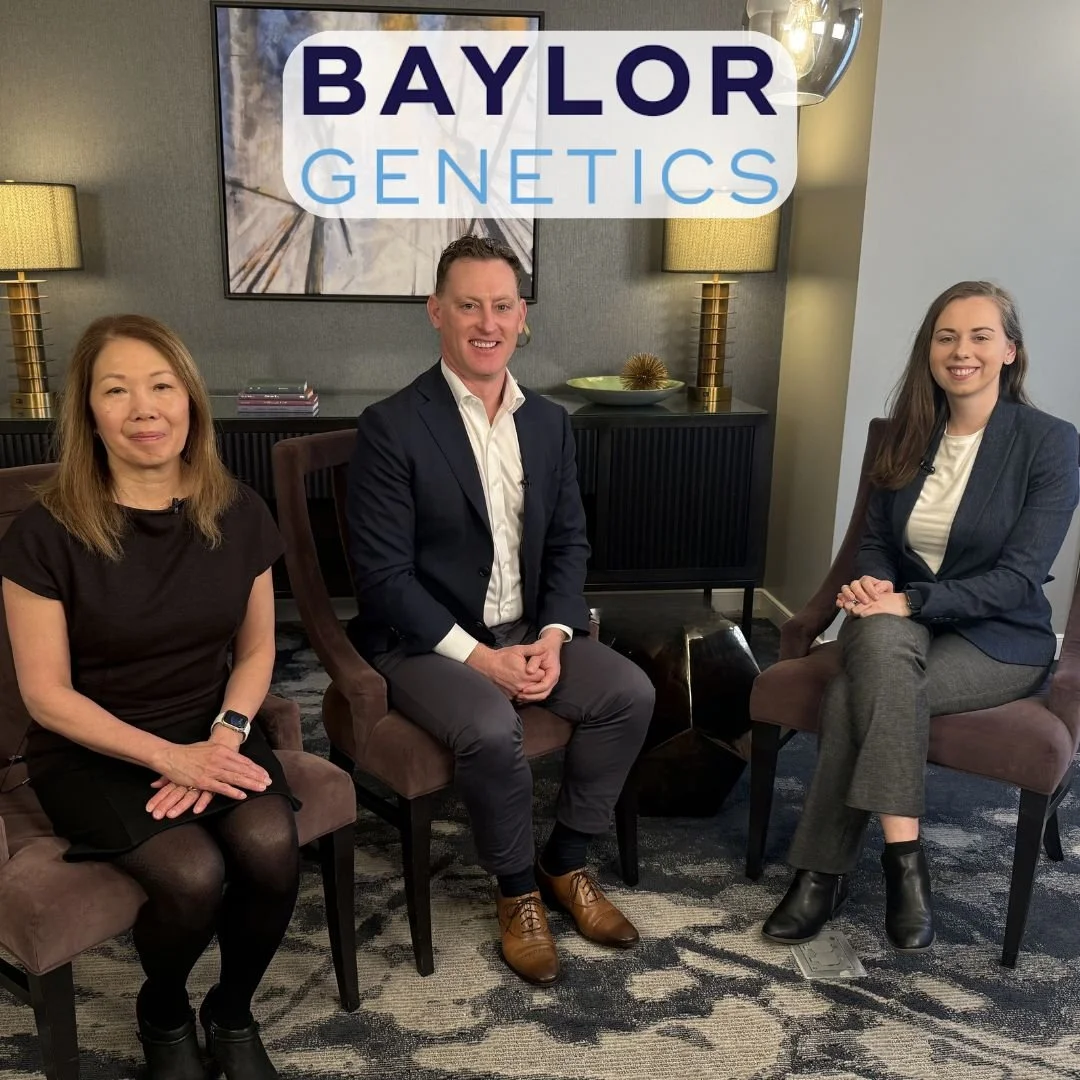
#393 Whole Genome Sequencing and Multi-omic Tools Closing the Rare Disease Diagnostic Gap
Despite incredible advances in genetic testing, many patients with suspected rare diseases still spend years searching for answers. In this episode, we explore how whole genome sequencing (WGS), paired with emerging multi-omic and multimodal technologies, is helping clinicians move beyond the limits of single-test approaches to deliver clearer, more actionable answers for patients and families.
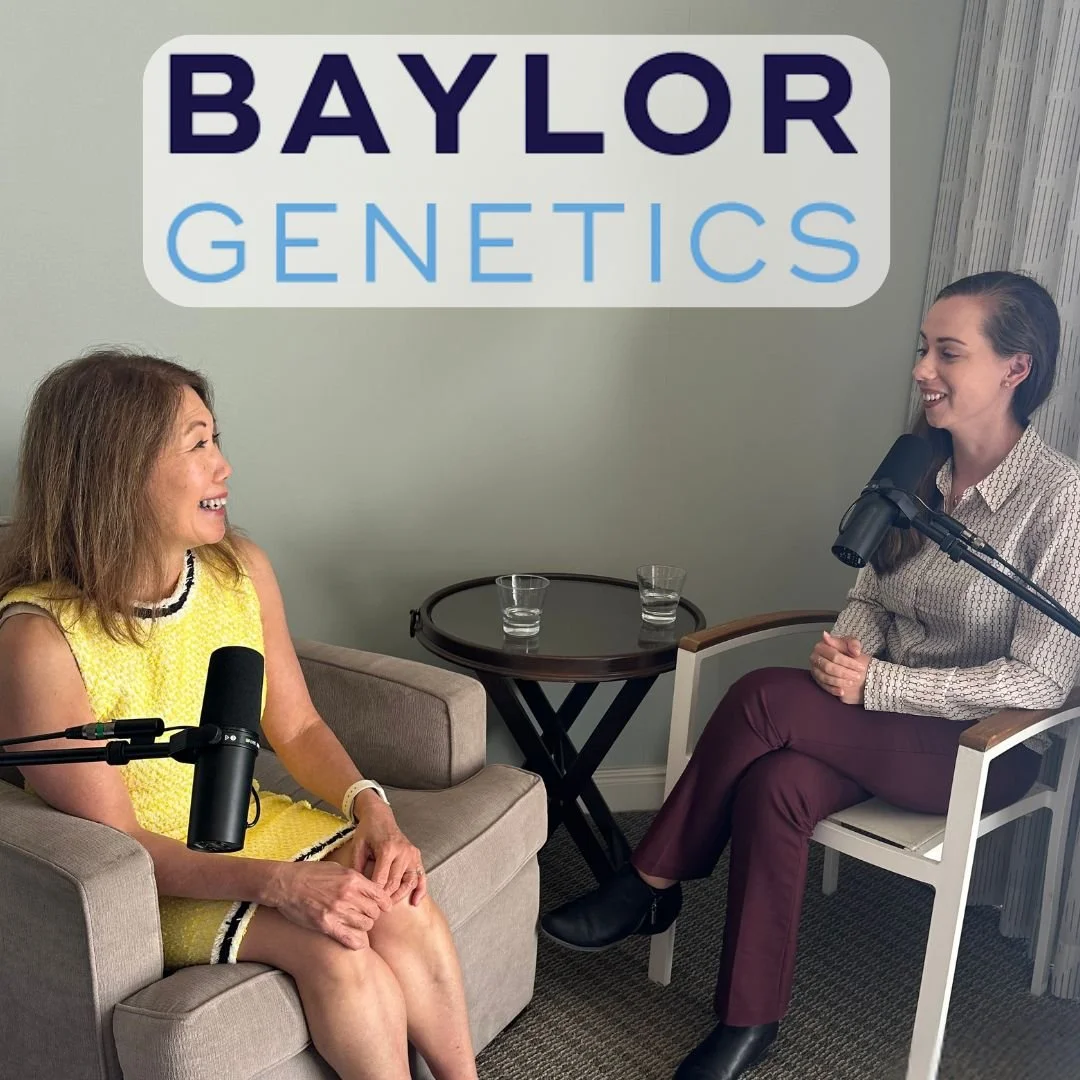
Joining us in person for this conversation are two experts from Baylor Genetics: Dr. Christine Eng, Chief Medical Officer and Chief Quality Officer, and Chris Sands, Chief Growth Officer. You may remember them from Episode 385, where they joined our ACMG recap episode to discuss Baylor Genetics’ announcement around these evolving technologies.
In this episode, we discuss the growing momentum behind whole genome sequencing in rare disease diagnosis, why some patients remain undiagnosed even after initial testing, and how layered approaches such as optical genome mapping and long-read sequencing may help close that diagnostic gap. We also talk about how a confirmed diagnosis can affect care management, treatment access, and clinical trial eligibility for patients and families.
Topics Covered:
The growing role of whole genome sequencing in rare disease diagnosis
How healthcare systems and clinical practices are adopting genome sequencing
How whole genome sequencing is changing pediatric patient care
Why some patients remain undiagnosed after initial WGS testing
The current diagnostic gap in rare disease genetics
Efforts underway to improve diagnostic yield
What a multimodal and multi-omic approach looks like in practice
How optical genome mapping and long-read sequencing complement WGS
How labs determine when to layer on additional technologies
The real-world impact of a confirmed diagnosis on treatment and trial access
About Dr. Christine Eng:
Dr. Christine Eng is the Chief Medical Officer and Chief Quality Officer at Baylor Genetics. She also serves as Vice Chair for Diagnostic Laboratory Affairs at Baylor College of Medicine. Dr. Eng has been a pioneer in implementing genomics into clinical practice, and her work is shining a light on how RNAseq and multi-omic approaches are transforming the way we diagnose and care for patients.
About Chris Sands:
Chris Sands is the Chief Growth Officer at Baylor Genetics, where he works closely with healthcare systems, providers, and institutions to expand access to advanced genetic testing. He brings a strong strategic and commercial perspective to the evolving role of genome sequencing in clinical care, particularly in supporting adoption of new technologies that can improve the diagnostic journey for rare disease patients.
Relevant Resources:
Learn more about Baylor Genetics here
Relevant DNA Today Podcast Episode:
#358 AGBT Precision Health 2025 Meeting Recaps and Reflections
#384 Beyond DNA: How RNAseq Resolves VUS and Shortens the Diagnostic Odyssey
#385 Inside ACMG 2026: How AI and New Tools Enhance Genome Sequencing and Equity
#376 Why Females with Fabry Disease Aren’t “Just Carriers”
Connect With Us:
Luckily you don’t have to wait long for a brand-new episode of DNA Today, we drop episodes every Friday! Until then, why not dive into our library of over 390 episodes? Binge them all on Apple Podcasts, Spotify, our website, or wherever you love to listen, just search “DNA Today.”
Prefer watching? We’ve got you covered! For the past four years, we’ve been recording episodes with video, including some filmed at the iconic NBC Universal Stamford Studios. Check them out on our YouTube channel!
DNA Today is hosted and produced by Kira Dineen, MS, LCGC, CG(ASCP)CM . Our Social Media Lead Liv Davidson. And our logo Graphic Designer is Ashlyn Enokian, MS, CGC.
See what else we are up to on Instagram, X (Twitter), BluSky, Threads, LinkedIn, Facebook, YouTube and our website, DNAToday.com. Questions/inquiries can be sent to info@DNAtoday.com.