#370 Genetics Wrapped: 2025 Top Advances in Genomic Medicine
To celebrate the year coming to an end, we are reflecting back on the top genetics and genomics news stories during 2025, and making predictions for 2026.
The top stories we chatted about are from the American Journal of Human Genetics’ “Genomic medicine year in review: 2025” paper.
Joining me for this discussion are two leaders in genomics: Drs. Sarah Tishkoff and Eric Green.
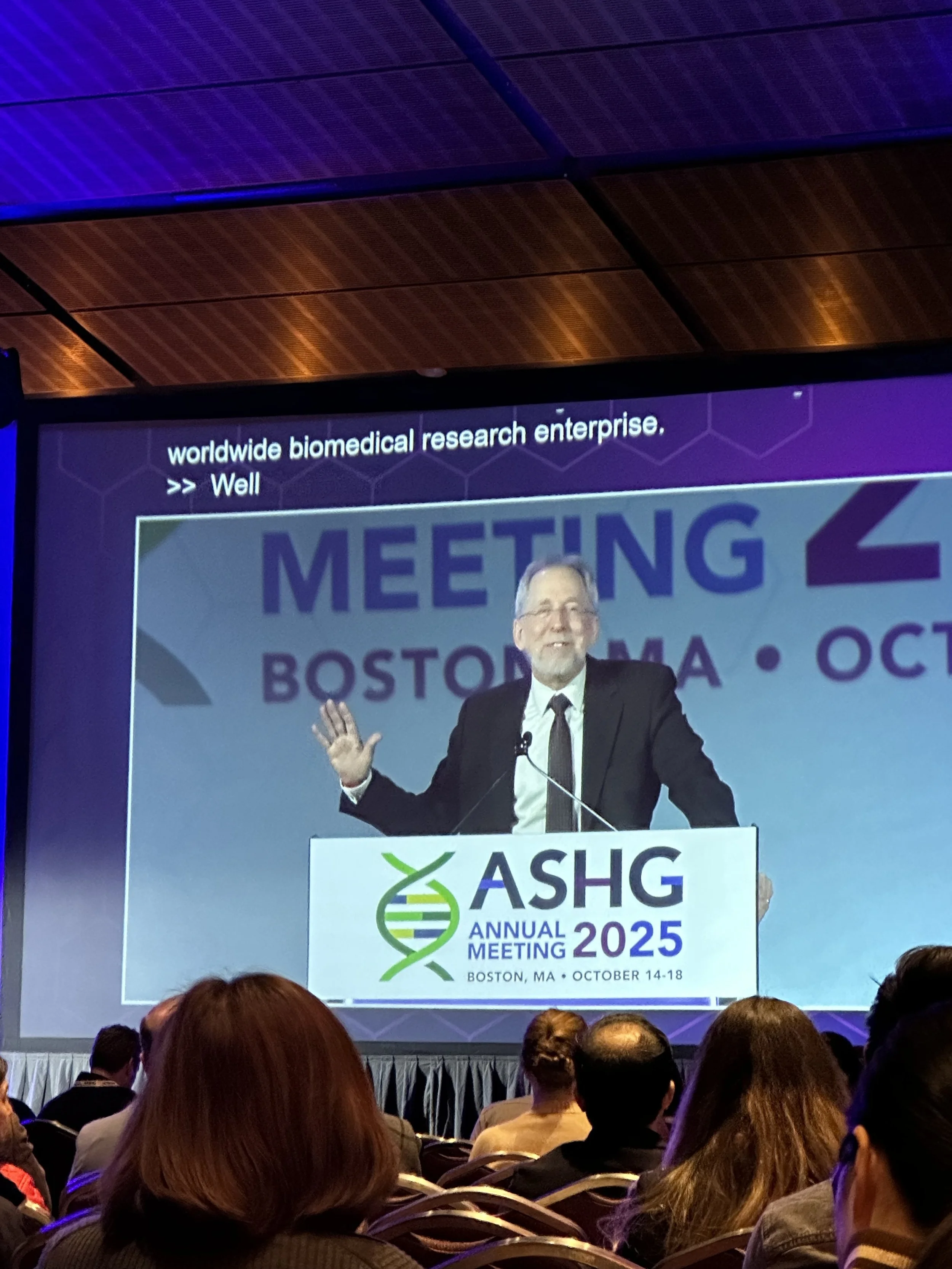
In this reflective conversation, Kira Dineen, Dr. Sarah Tishkoff, and Dr. Eric Green discuss the significant developments in genetics and genomics over the past year, including the recent American Society of Human Genetics (ASHG) conference and NIH grant cuts.
Top 2025 Papers With Genomic Medicine Advancements
Gene Therapy
CRISPR base editing delivered repeatedly by lipid nanoparticles is effective and safe
Utility of a high-activity variant in gene therapy for hemophilia B
Promising phase 2 trial of CRISPR-based therapy for hereditary angioedema
Oral pre-mRNA modifiers improve outcomes in presymptomatic spinal muscular atrophy
Sequencing
Long-range genome sequencing enhances rare disease variant detection
Exome sequencing in critical illness is useful in adults as well as children
Other
The Guests:
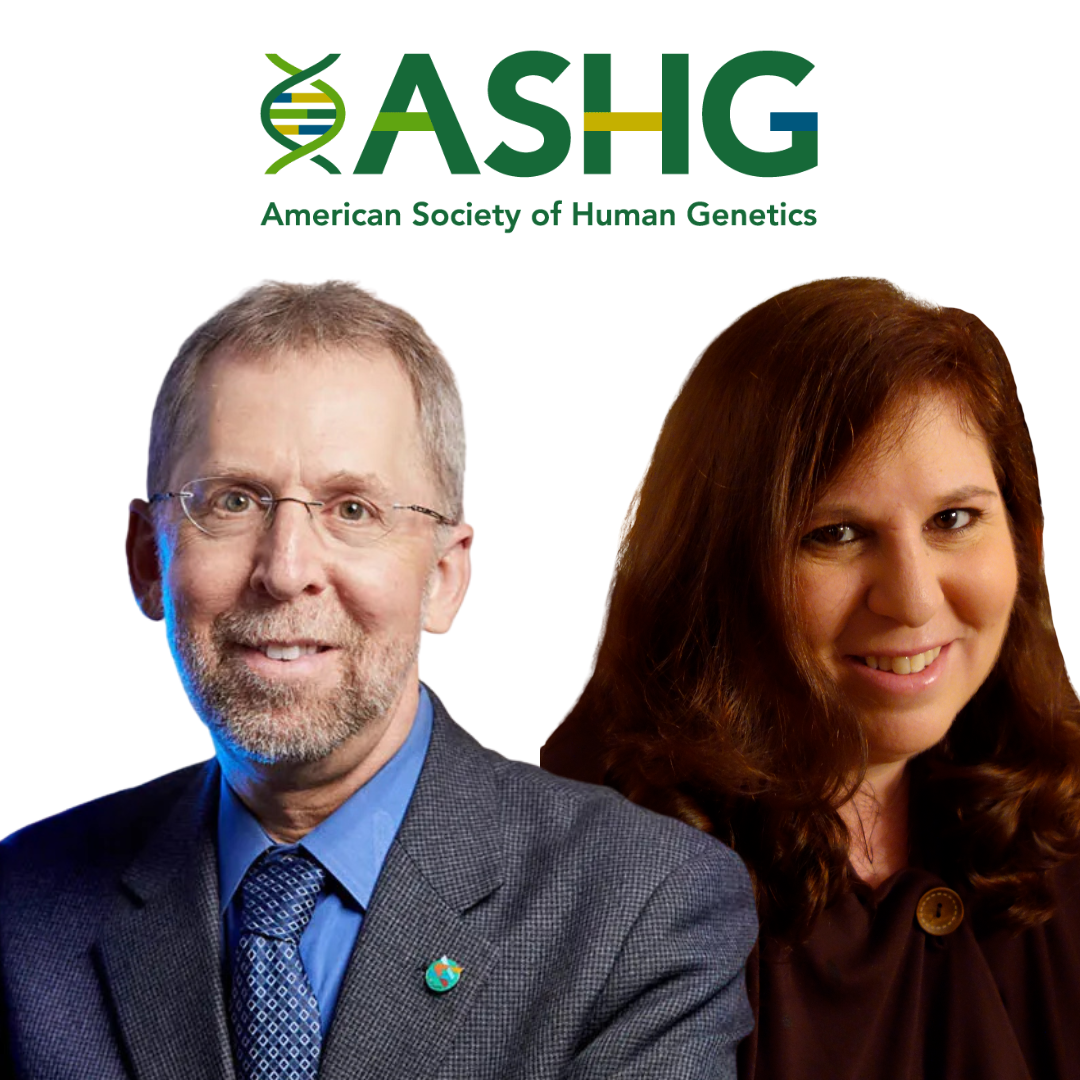
Sarah Tishkoff is the David and Lyn Silfen University Professor in Genetics and Biology at the University of Pennsylvania, holding appointments in the Perelman School of Medicine and the School of Arts and Sciences. She is also the Director of the Penn Center for Global Genomics & Health Equity in the Perelman School of Medicine.
Dr. Tishkoff studies genomic and phenotypic variation in ethnically diverse Africans. Her research combines field work, laboratory research, and computational methods to examine African population history, the genetic basis of anthropometric, cardiovascular, metabolic, and immune related traits, and how humans have adapted to diverse environments and diets. She plays an active role as an advocate for the inclusion of global populations in human genetics and genomics research.
Dr. Tishkoff is a member of the National Academy of Sciences, the National Academy of Medicine and the American Academy of Arts and Sciences. She is a recipient of an NIH Pioneer Award, a David and Lucile Packard Career Award, a Burroughs/Wellcome Fund Career Award, the ASHG Curt Stern Award, the Wilbur Cross medal from Yale, the Vanderbilt Prize in biomedical sciences and a Penn Integrates Knowledge (PIK) endowed chair. She is President of the American Society of Human Genetics, is on the Scientific Advisory Board for the Packard Fellowships in Science and Engineering and is on the editorial boards at Cell and PLOS Genetics.
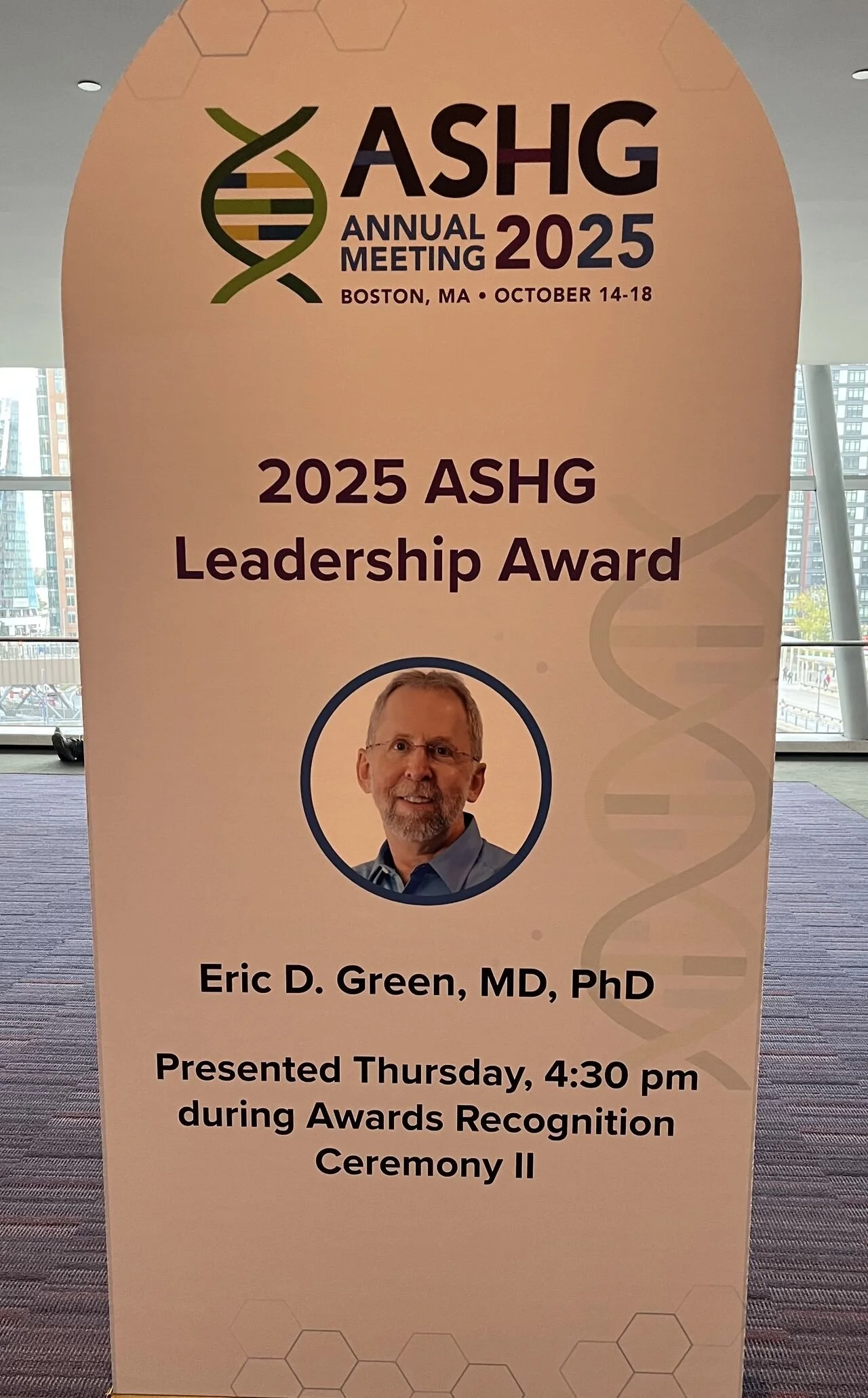
Eric D. Green, M.D., Ph.D., served as the director of the National Human Genome Research Institute (NHGRI) at the U.S. National Institutes of Health (NIH) from 2009 to 2025. He was the third NHGRI director, having been appointed by then-NIH director Dr. Francis Collins in 2009.
Dr. Green’s relationship with the Institute began long before his appointment as director. He served as the Institute’s scientific director (2002 - 2009), chief of the NHGRI Genome Technology Branch (1996 - 2009) and founding director of the NIH Intramural Sequencing Center (1997 - 2009). Prior to that, he played an integral role in the Human Genome Project.
Throughout his career, Dr. Green has authored and co-authored over 390 scientific publications. As NHGRI director, Dr. Green led the Institute's research programs and other initiatives. Under his guidance, the Institute has completed two major cycles of strategic planning to ensure that its research investments in genomics effectively advance human health. The first effort yielded the highly cited 2011 NHGRI strategic vision, “Charting a course for genomic medicine from base pairs to bedside” (Nature 470:204-213, 2011); the second yielded the 2020 paper ”Strategic vision for improving human health at The Forefront of Genomics” (Nature 586:683-692, 2020).
With the rapidly expanding scope of genomics research, Dr. Green has also led NHGRI’s close coordination with other components of NIH, agencies and organizations. Dr. Green has played an instrumental leadership role in developing many high-profile efforts relevant to genomics. These efforts include multiple NIH Common Fund Programs — such as the Undiagnosed Diseases Network, Human Heredity and Health in Africa (H3Africa), and the Human Microbiome Project — the Smithsonian-NHGRI exhibition Genome: Unlocking Life's Code, several trans-NIH data science initiatives, the NIH Genomic Data Sharing Policy and the NIH All of Us Research Program.
Dr. Green received his B.S. degree in bacteriology from the University of Wisconsin - Madison in 1981 and his M.D. and Ph.D. degrees from Washington University in 1987. Coincidentally, 1987 was the same year that the word “genomics” was coined.
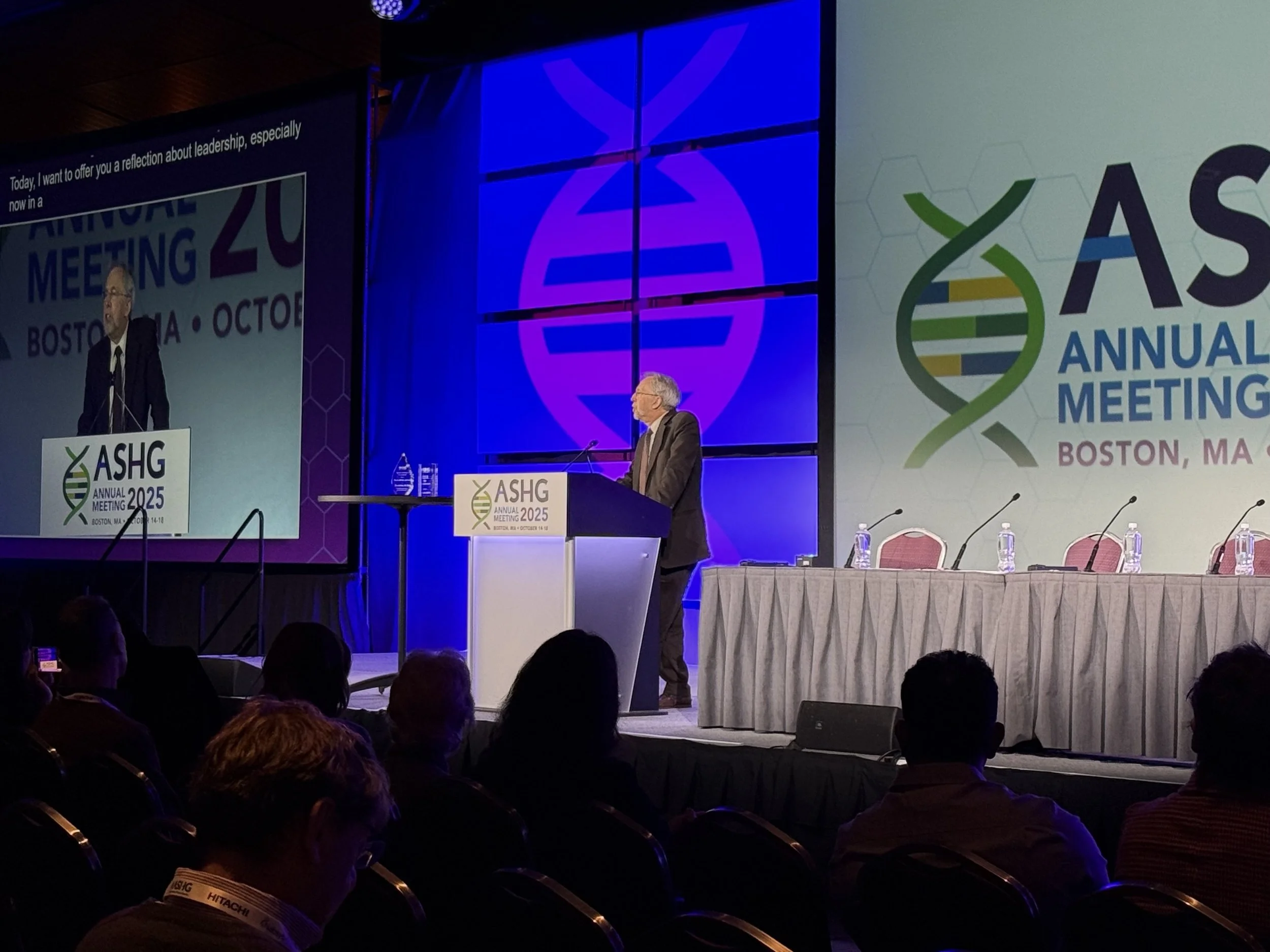
While directing an independent research program for just over two decades, Dr. Green was at the forefront of efforts to map, sequence and understand mammalian genomes. His work included significant, start-to-finish involvement in the Human Genome Project. These efforts eventually blossomed into a highly productive program in comparative genomics that provided important insights about genome structure, function and evolution. His laboratory also pursued human genetics studies and identified and characterized several human disease genes, including those implicated in certain forms of hereditary deafness, vascular disease and peripheral neuropathy. Dr. Green has received countless awards, most recently the 2025 ASHG Leadership Award where he received a much deserved standing ovation.
Quick Fact Check:
Kira estimated there were 30 or 40 genes in the mitochondria, she was in the ballpark, there are 37 genes.
Additional Papers Referenced:
(In order of appearance)
Expanding implementation of pediatric whole-genome sequencing: Insights from SeqFirst providers to inform equitable access to a precise genetic diagnosis, Human Genetics and Genomics Advances, Volume 6, Issue 4, 2025, 100464, ISSN 2666-2477,https://doi.org/10.1016/j.xhgg.2025.100464.
Relevant Resources:
“Is NIH cutting corners as it rushes to fill leadership positions?” via Science Insider
“The U.S. Is Funding Fewer Grants in Every Area of Science Medicine” via The New York Times
“On the Hill and Working for You: Our Advocacy in Action” ASHG Webinar
Broad Clinical Labs sets new GUINNESS WORLD RECORDS™ title for fastest DNA sequencing technique
“All babies in England to get DNA test to assess risk of diseases within 10 years” via The Guardian
Building Evidence and Collaboration for GenOmics in Nationwide Newborn Screening (BEACONS)
First U.S. National Genomic Newborn Screening Initiative Launched with $14.4 Million NIH Award
Being an accidental pioneer in precision medicine | Matt Might | TEDxBirmingham
Relevant DNA Today Podcast Episode:
#117 Dr. Janina Jeff on African Genomes
#150 Euan Ashley and Stephen Quake on The Genome Odyssey
#182 Eric Green on the Complete Human Genome Project
#183 Dr. Miga and Dr. Phillippy on the Telomere to Telomere Consortium
#214 Genetics Wrapped 2022 (with Dr. Eric Green)
#216 African American Ancestry with Nicka Smith
#260 PhenoTips: Population Genomics in Clinical Practice (with Dr. Eric Green)
#266 Genetics Wrapped 2023 (with Drs. Eric Green and Brendan Lee)
#288 CRISPR Cured Victoria Gray’s Sickle Cell: Part 1
#289 CRISPR Cured Victoria Gray’s Sickle Cell: Part 2
#318 Genetics Wrapped 2024: Top Advances in Genomic Medicine (with Drs. Bruce Gelb and Eric Green)
#324 Genetic Contraindications for Ozempic and Wegovy (GLP-1 Agonists)
#345 How To Talk About DNA Without Losing People: Strategies Part 1
#350 How To Talk About DNA Without Losing People: Strategies Part 2
#358 AGBT Precision Health 2025 Meeting Recaps and Reflections (with Dr. Eric Green)
#363 ASHG 2025 Recap: AI Diagnostics, Genetics Publications & Losing NIH Funding
Connect with us:
Get ready, genetic nerds, another brand-new episode of DNA Today drops this Friday! While you wait, why not dive into our library of over 370 episodes? Binge them all on Apple Podcasts, Spotify, our website, or wherever you love to listen—just search “DNA Today.”
Prefer watching? We’ve got you covered! For the past four years, we’ve been recording episodes with video, including some filmed at the iconic NBC Universal Stamford Studios. Check them out on our YouTube channel!
DNA Today is hosted and produced by Kira Dineen, MS, LCGC, CG(ASCP)CM . Our Video Lead is Amanda Andreoli. Our Social Media Lead Liv Davidson. And our logo Graphic Designer is Ashlyn Enokian, MS, CGC.
See what else we are up to on Instagram, X (Twitter), BluSky, Threads, LinkedIn, Facebook, YouTube and our website, DNAToday.com. Questions/inquiries can be sent to info@DNAtoday.com.